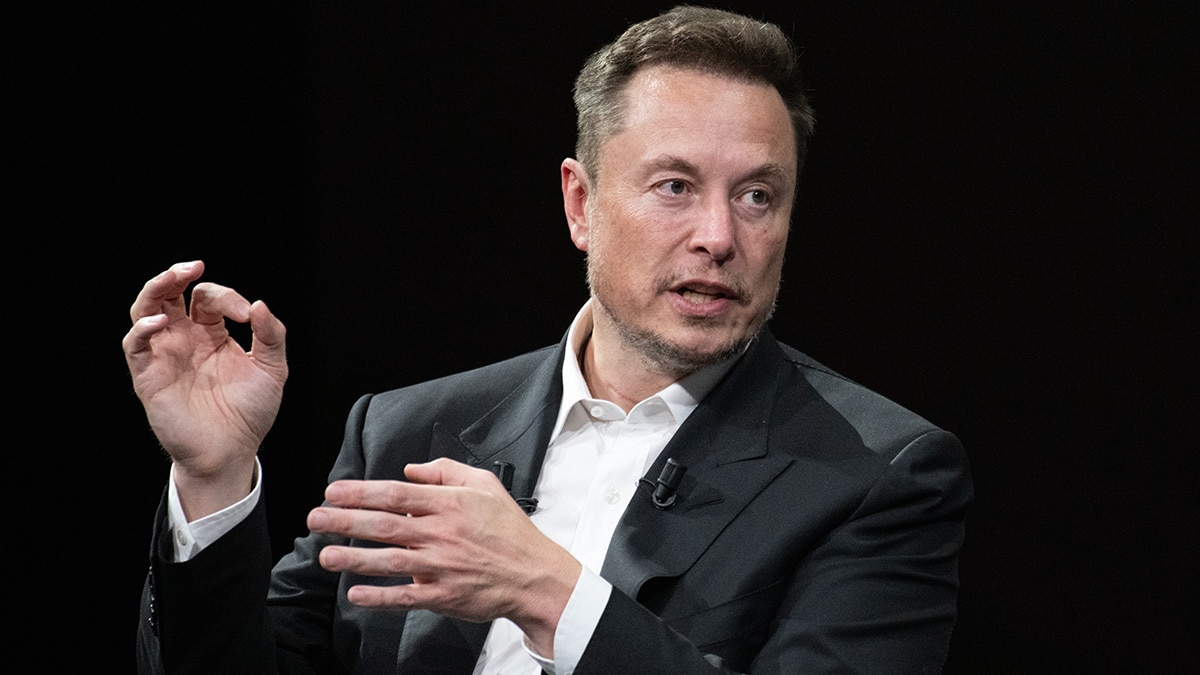
Becoming a pop or rock star used to be the dream. Today, those stars have to compete with celebrity CEOs who, in many cases, take up more media column inches, cause more controversy, and drive more opinion – for better or worse. The idea of the CEO has changed so much over the years. It wasn’t long ago that major companies such as Ford or Coca-Cola had CEOs who, to those not in the industry, seemed fairly anonymous. Today, thanks primarily to tech firms, that has changed. CEOs are doing Ted Talks, podcasts, and becoming intertwined with government.
But is celebrity something CEOs should aim for? Aside from massaging the ego, is there actually anything of value there?
A 2025 study asked just this question. The researchers looked at a series of surveys from the past to try to establish the effect a celebrity CEO has on the value of a company. On the one hand, it was found that celebrity CEOs were generally thought of as an ‘intangible asset’ that had the potential to bring a range of benefits, including ‘good corporate prospects, investor confidence, attraction of quality employees, and improved stock market performance.’
However, that same study noted that when said celebrity falls from grace, so can their company, and they ultimately concluded that ‘the correlation between CEO celebrity status and return on assets (ROA) or return on equity (ROE) shows a weak relationship. This suggests that CEO celebrity status does not have a significant impact on company profitability.’
So, what really happens when a CEO becomes a celebrity? And more importantly, how should they manage this new public notoriety?
Where did the celebrity CEO come from?
It wasn’t an accident. The emergence of the celebrity CEO was assisted by the explosion of social media, which made it easier than ever for leaders to communicate directly with their audiences and the wider public. The need for traditional media and PR was no longer central.
CEOs now have powerful channels for shaping the narrative of their company and humanising their brand. This can be both good and bad. We’ve seen how Elon Musk’s celebrity status has massively impacted the share price of Tesla, a figure tied as much to his behaviour and opinions as it is to the products’ performance.
There are plenty of other cases. Steve Jobs is a great example of a CEO celebrity with such a cultural impact that long after his death, he remains not only a reference point but a selling point for Apple products. Richard Branson was one of the first celebrity CEOs, becoming famous in the 1970s after the success of his record label, and his personality is still used by his company, Virgin, to sell its various services. Branson’s charisma is forever tied to Virgin.
Jobs and Branson both became famous long before the internet, let alone social media. So, it’s not surprising that the likes of Elon Musk, Mark Zuckerberg, and Jeff Bezos have found a level of fame that surpasses anything we’ve seen in the past, now that they have direct access to the public in a way that their predecessors did not.
The benefits of CEO celebrity
It’s certainly a tightrope walk full of risks (which we will look at later), but for the right personality, there are many advantages in becoming a high-profile CEO:
- Influence: A celebrity CEO can really cut through the noise. They speak, and their views are immediately shared on social media and reported in the traditional media. Their reach is unmatched. In industries where inspiration and vision matter, this kind of influence can help drive customer acquisition and investor confidence.
- The humanising effect: At the end of the day, people connect with people. A relatable CEO who is visible can help lend authenticity to a brand, especially in sectors that are otherwise very technical or hard to communicate. So when a CEO shares something personal, or goes on a podcast where they don’t directly promote themselves or their brand, they end up humanising their company indirectly.
- Talent attraction: It makes sense that people want to work for leaders they admire. This is much easier if that leader is a public figure whose speeches or product launches you can look up on YouTube. A compelling public persona can be a magnet for ambitious talent who feel inspired by the CEO’s values.
- Leverage: The fact is, celebrity CEOs can open doors that others cannot. That might be new partnerships, using political connections, and gaining access to exclusive networks. Fame can accelerate business development.
The risks and costs of getting famous
Of course, there are risks. Big ones. One of the most significant is brand dependency. When a leader becomes too closely associated with the company’s identity, the brand can start relying too much on their image. In these cases, the company’s fortunes can rise and fall with the CEO’s reputation. So, a misstep or a controversy can become not just damaging to the CEO’s image but also the bottom line.
Then there is the issue of distraction from the core business. A CEO’s job is to provide strategic leadership. It’s not to constantly manage their public image. So when personal branding takes priority, it takes focus away from the kind of discipline and attention to company culture that a business needs to remain competitive.
There are also serious concerns around governance. Investors and board members can grow very uneasy when a CEO’s fame starts to eclipse their sense of responsibility to the board. Erratic public behaviour is not welcomed and not only damages credibility but can shake investor confidence. A CEO controversy can quickly affect a company’s valuation.
How the successful CEO can manage public perception
So, how should the CEO ensure they’re managing their public image? Let’s look at some key points:
- Decide why you want visibility: CEOs need to decide early on what kind of visibility they want and why they want it. Is it because they want to build trust and drive change? Is it simply to promote their business? There’s nothing wrong with either of those, but getting clarity early on will help ensure you don’t let it get out of hand.
- Focus on the mission: It doesn’t matter how famous a CEO becomes, they have to remain grounded in the company’s mission. Fame is on the side, it’s not the main dish. The strongest personal brands are those that consistently tie back to the values of the company.
- Careful use of platforms: Social media is a powerful tool, but it can be dangerous. CEOs should treat their public communications like investor statements and ensure they are precise and professional. It’s fine to be playful, but never at the expense of credibility.
- Brace yourself for scrutiny: CEOs must be ready for personal and professional scrutiny – the higher your profile, the more you will be critiqued. And sometimes those critiques will be attacks. In the public eye, mistakes are inevitable, but remaining humble and transparent will help ensure a leader can navigate any challenges.
The fame game
The celebrity CEO is here to stay. In this ultra-connected world, the best leaders understand that the art of visibility can create immense value. But this power must be wielded wisely, because the same audience that was cheering you on this week can turn on you next week.
So, should a CEO seek fame? It depends on whether it’s fame for its own sake, or if it’s a by-product of a charismatic leader who is in the public eye and consistently puts their company front and centre, communicating their brand values with credibility and conviction. If it’s the latter, then a little bit of celebrity might be just what every CEO needs.